
< Back to home


Designing Sustainably in a Digital World
1
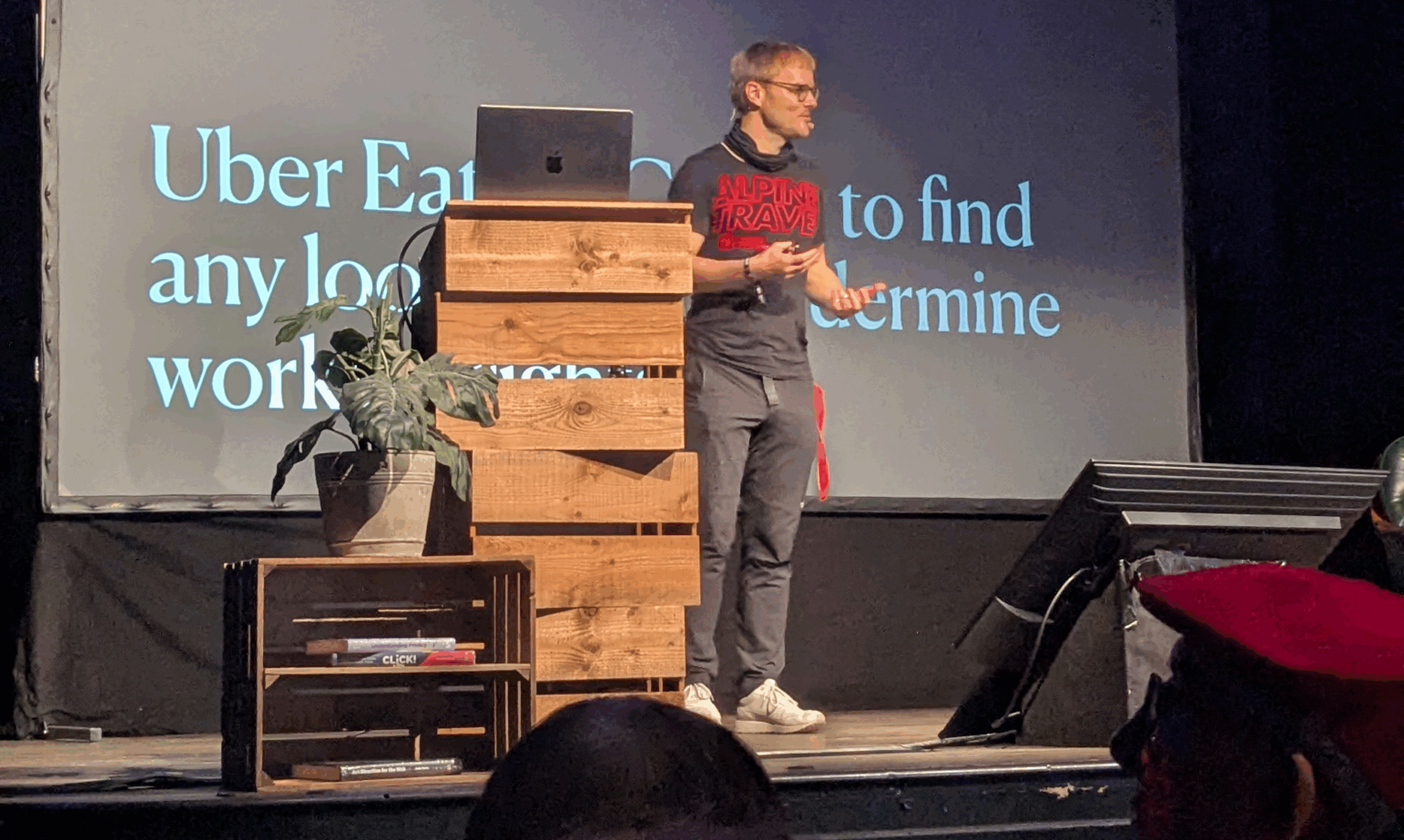
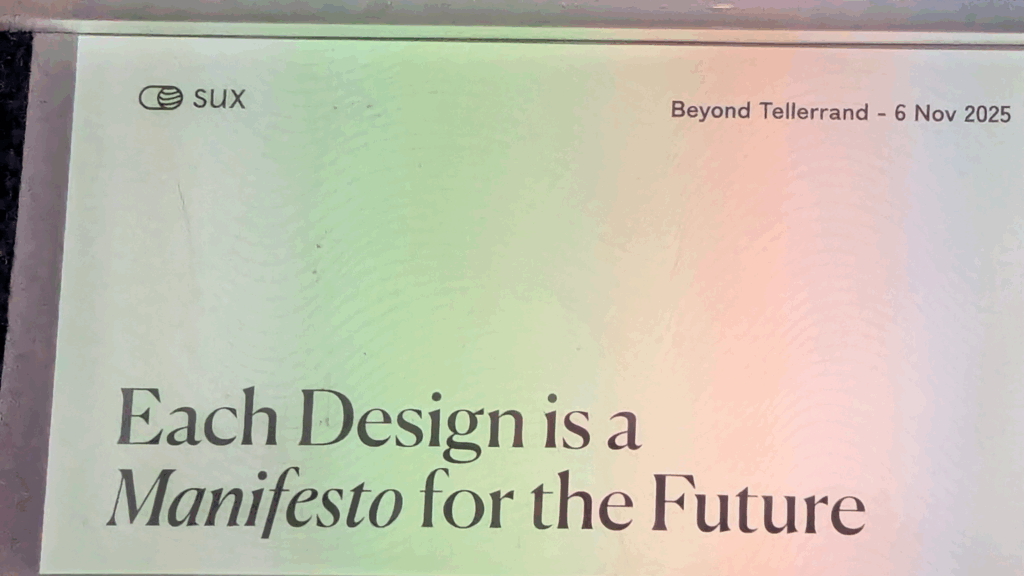
I recently attended Beyond Tellerrand in Berlin, and one theme stayed with me long after the event ended: sustainability is not a separate discipline, and it is not someone else’s job. Many of the talks, especially those focused on digital systems and AI, made it clear that designers play a decisive role in shaping environmental impact. Not through grand gestures, but through everyday choices made during planning, design, and implementation.
Ideally, sustainable design is not a nice-to-have, and is difficult to bolt on at the end of the process. Around 80 percent of a product’s environmental impact is decided during design and development. Even when we work digitally, our choices are not weightless. Every screen, flow, and interaction leaves a footprint. The real question is simple: what is the impact of what I am creating?
Much of that impact hides in plain sight. Heavy imagery, autoplay videos, and decorative elements all consume energy, often without adding real value. The more data we move around, the higher the footprint. Small decisions matter. Choosing efficient formats like WebP, setting upload size limits, or defining content lifetimes can drastically reduce emissions. Around 90 percent of stored digital data is never used, yet it still lives on servers that need energy, cooling, and maintenance. Less data means fewer servers, lower costs, and less environmental strain.
AI raises the stakes even further. Model usage has a measurable carbon cost, and generative systems are not neutral tools. They tend to produce average results, amplify bias, and rely heavily on human-created material. As designers, we need to be deliberate about when AI truly helps and when it simply adds load.
Design also shapes behaviour. Defaults and flows can encourage more sustainable choices, without judging users. But focusing only on the “average user” can exclude others. Sometimes edge cases should become the default.
In the end, design is storytelling. It shapes narratives, not just interfaces. If we want a viable, ethical future, sustainability has to be part of how we think, plan, and build. Every decision counts This is something we, as a Creative & Digital Team, are reflecting on in terms of how we work going forward.
If you are interested in discussing this or any other digital topic, please speak to our Digital Engagement Team.
Book in work

Got an idea for an article?
Co-author with us
Co-author with us
- Interactive learning module demo*
- Creative Credentials
- Publication offerings
- 2D animation showreel
- 3D animation showreel
- PowerPoint showreel
- Interactive and booth attractions*
- Scrolling video demo*
- Quiz game demo
- NFC technology demo*
- 360 Gallery (VRLite) demo*
- Ashfield Arcade - demo games*
- Synthesia guide & demo's
* Login Details:
Username: ashfield
Password: amccreative

Who is in my pod?
Alternatively, View the whole team

Hannah Tooth
Creative Planning Manager

Whitney Sherratt (Maternity Leave)
Creative Lead

Jake Johnson
Senior Designer

Lottie Newall-Smith
Creative Artwork Lead

Freya Nicolaysen
Presentations Designer

Alex Ford
Creative Operations Lead

Abi White
Associate Creative Director

Hannah Magill
Creative Artwork Lead

Geri Aleksandrova
Senior Creative Artworker

Danielle Greaves
Creative Artworker

Robbie Macoy
Presentations Lead

Zoë Dixey
Creative Planning Manager

Staci Hocknell
Senior Concept Designer

Pete Dewhurst
Senior Creative Artworker

Sam Berndt
Presentations Designer






 Not sure? - Why not start a conversation by using the links on the home screen.